THE ACCUSED
The Suffolk witch trials were not defined by a single event or location, but by a pattern of accusation that spread through towns, villages, and parishes across the county.
Between 1645 and 1647, ordinary people were accused of witchcraft by neighbours, examined by local authorities, and drawn into a legal process that many did not survive.
Those accused came from all walks of life. Most were women, but men were also targeted, and in some cases entire families were implicated. Accusations often arose from everyday tensions; illness, poverty, disputes between neighbours, religious suspicion, or fear during a time of war and uncertainty. Once an accusation was made, it could be difficult to escape its consequences.
The records that survive are incomplete. Many names appear only briefly in court documents or parish records, while others are known only through accusations made against them by others. Some individuals were executed, some imprisoned, and some released, but all were marked by the accusation itself. For many, their stories have remained fragmented or forgotten.
This project focuses on the people who were accused, rather than those who prosecuted them. By tracing accusations back to specific places and communities, we seek to understand how and why these events unfolded, and to acknowledge the human cost of the trials.
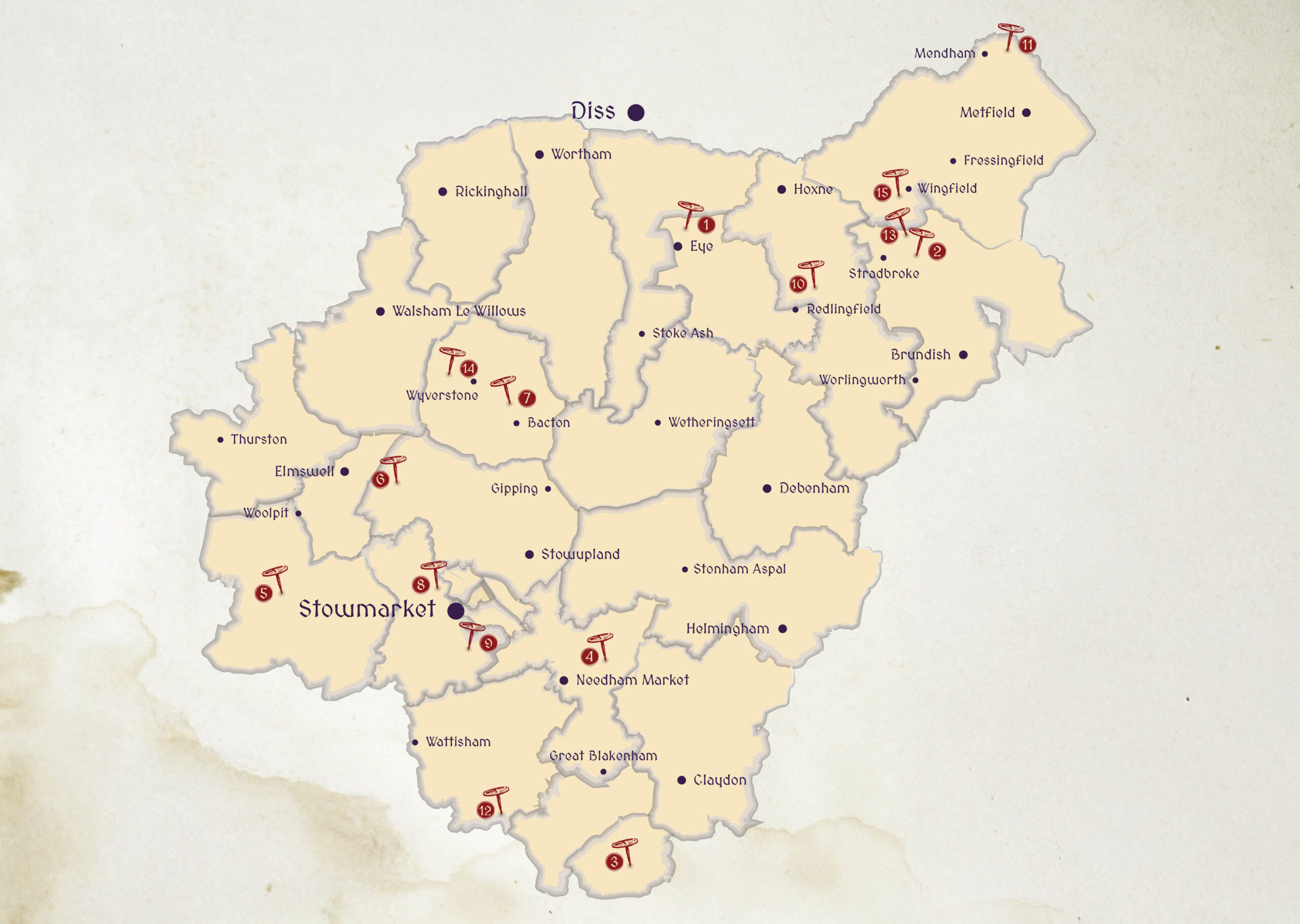
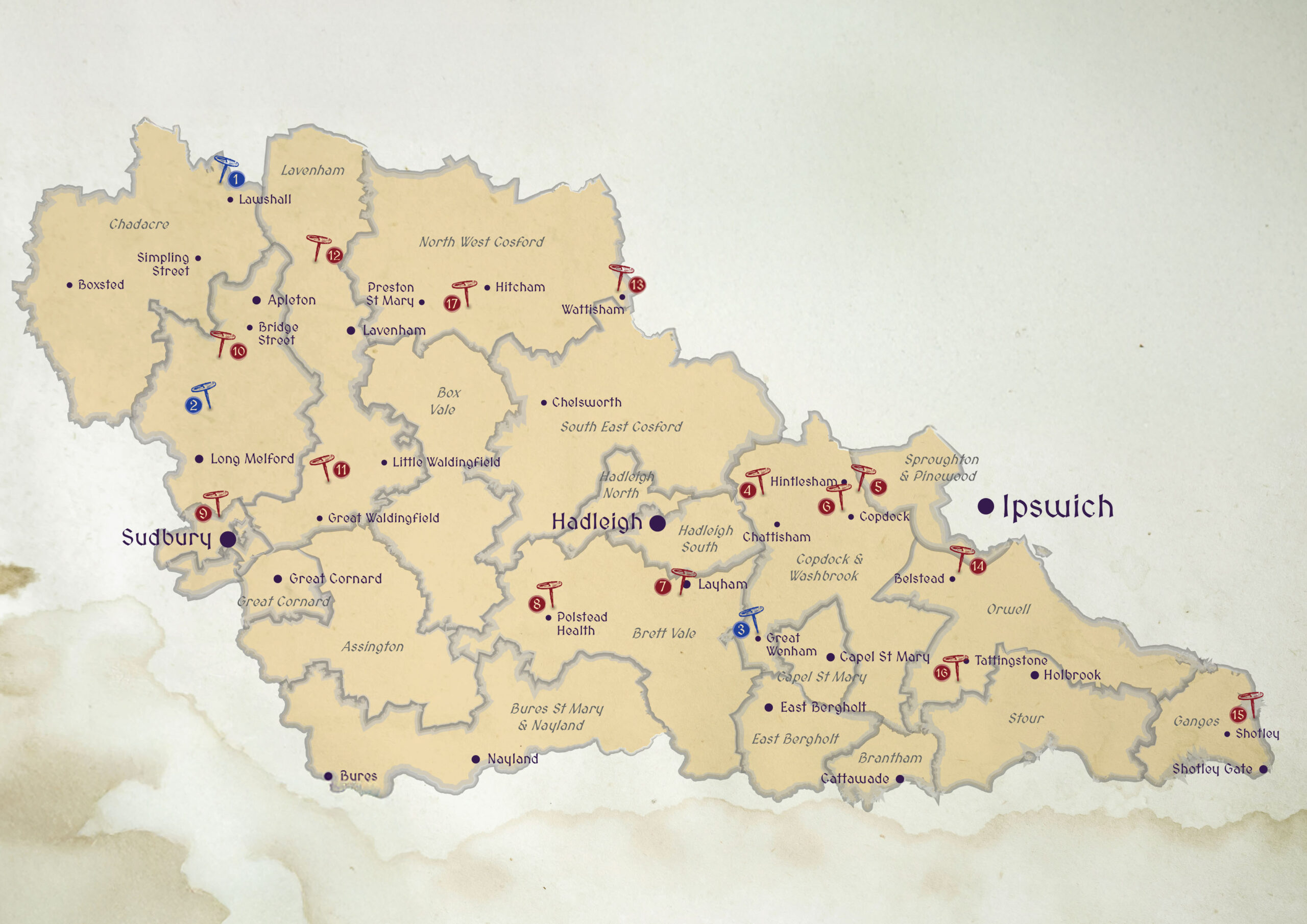
The accused featured here are grouped by place, reflecting how the trials were experienced locally and how communities became entangled in the process. Explore the cases recorded in:
-
Mid Suffolk
- Babergh
Each section includes an interactive map and individual case records, allowing you to explore the people, places, and patterns behind one of the most devastating episodes in Suffolk’s history.